Hunting Lookouts of Jämtland
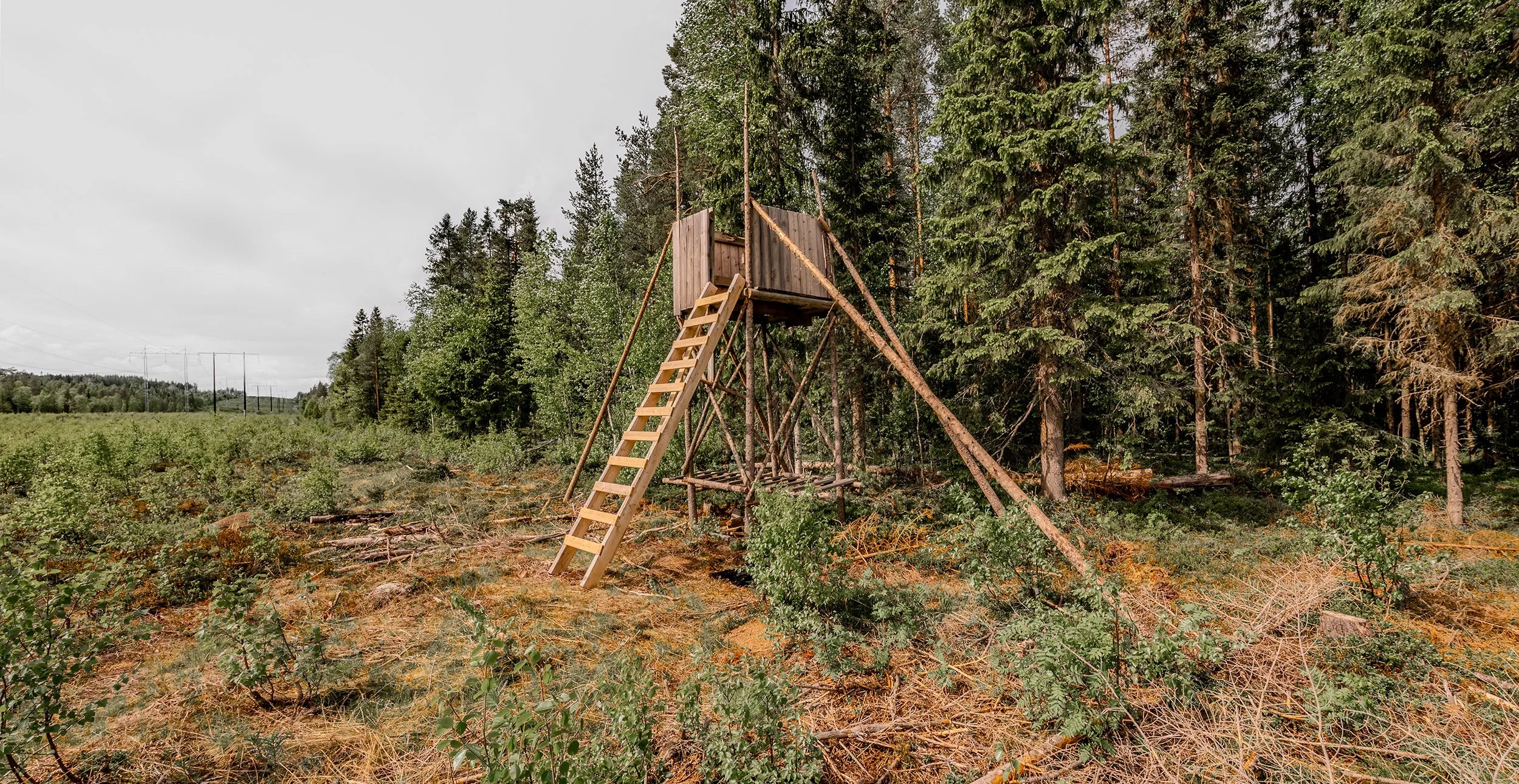
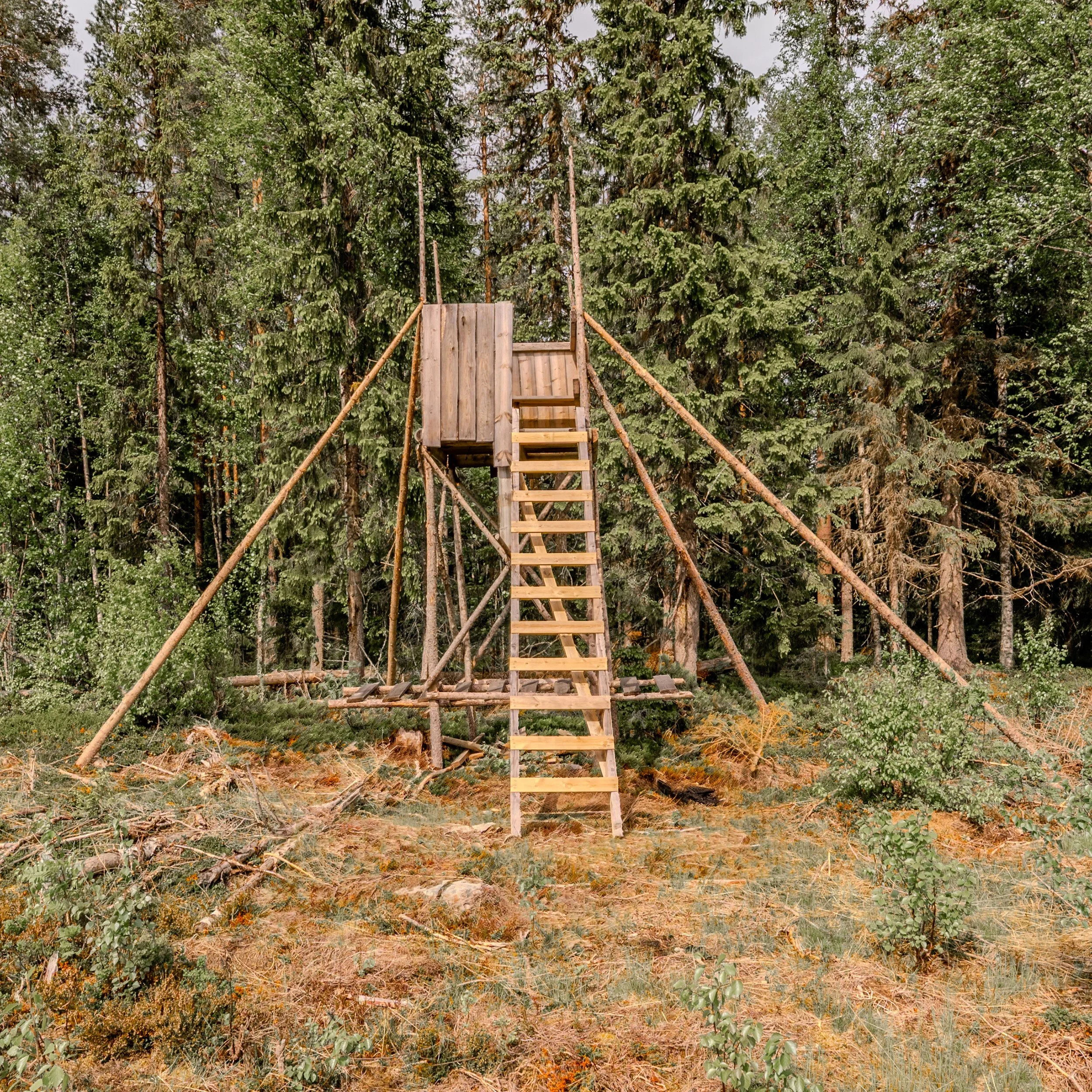
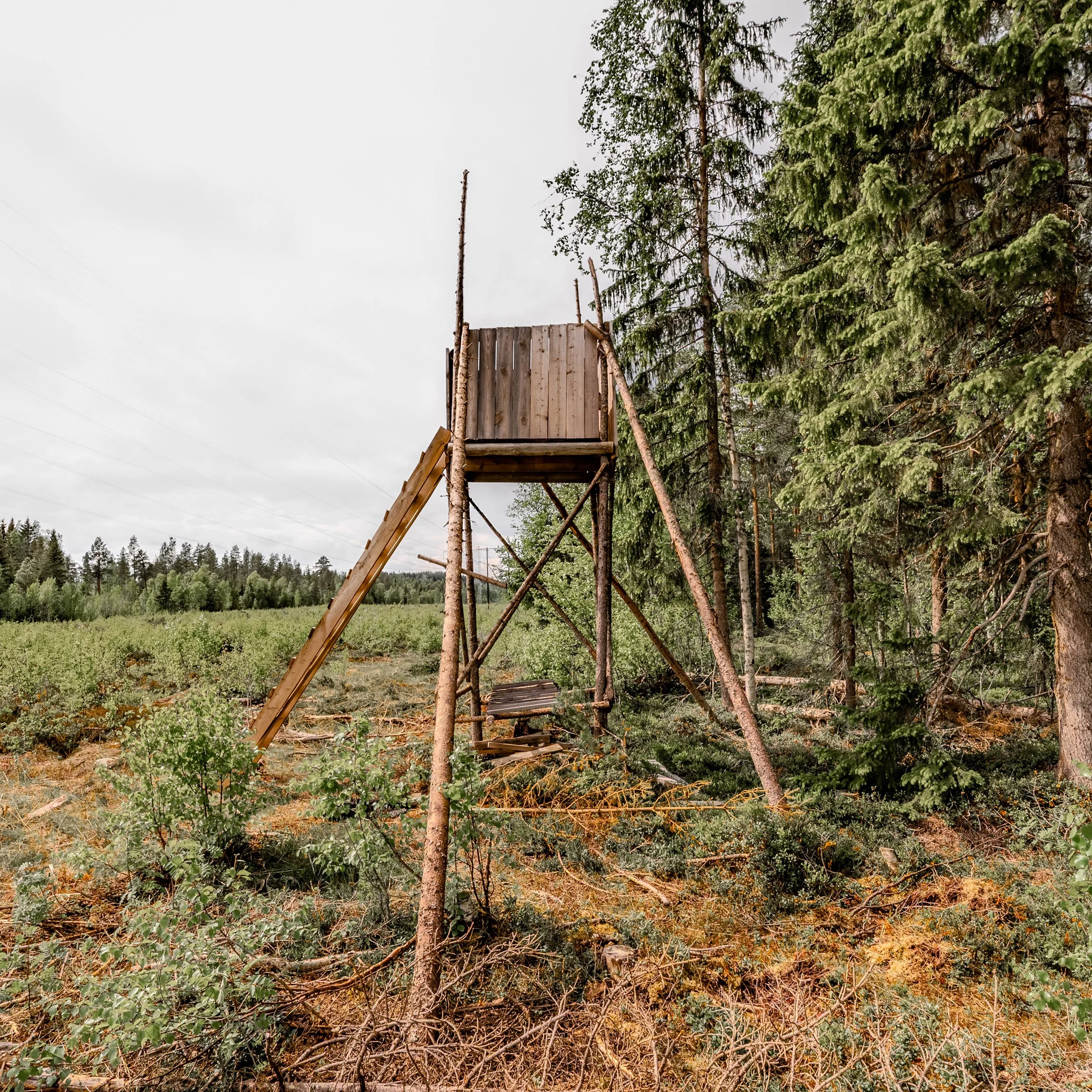
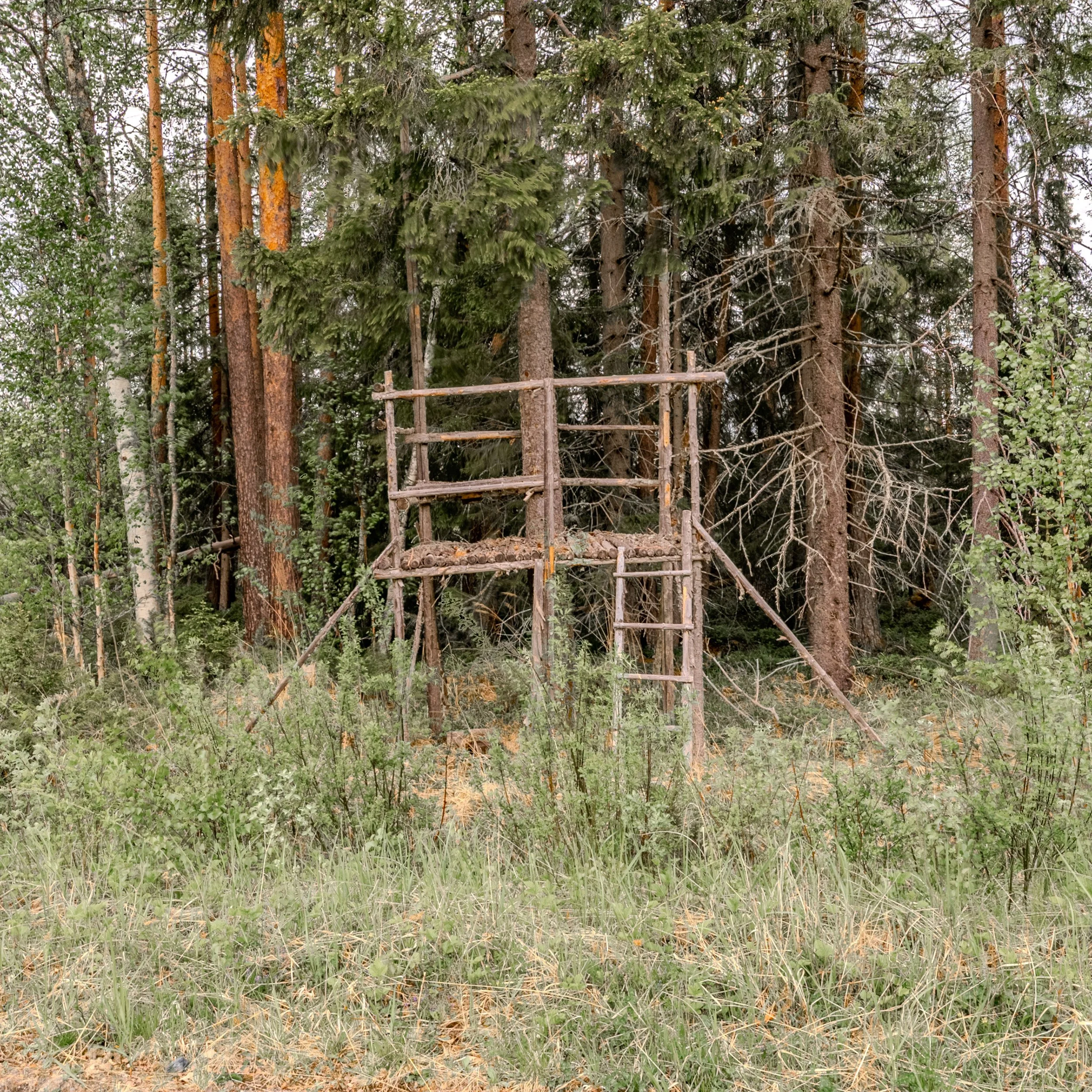
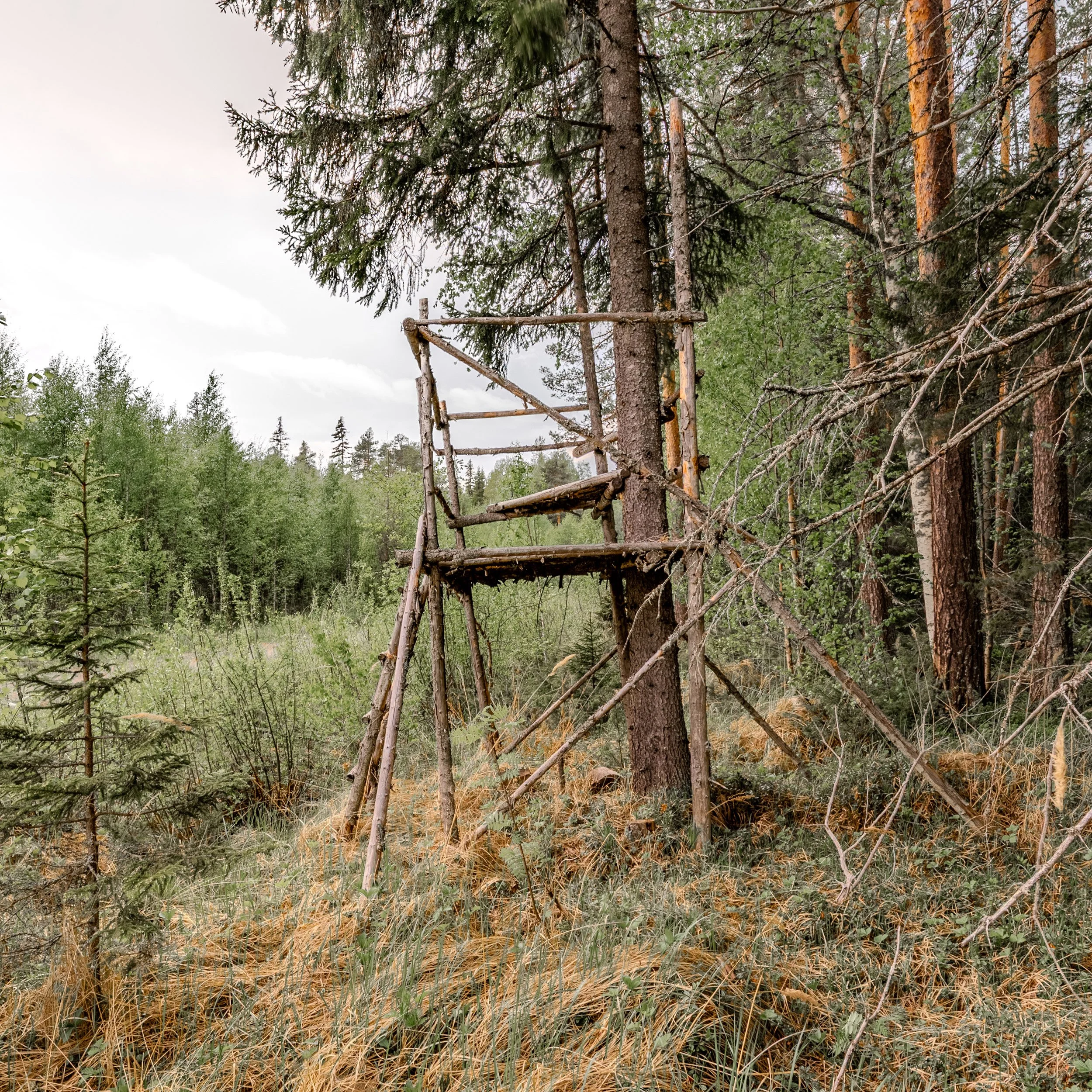
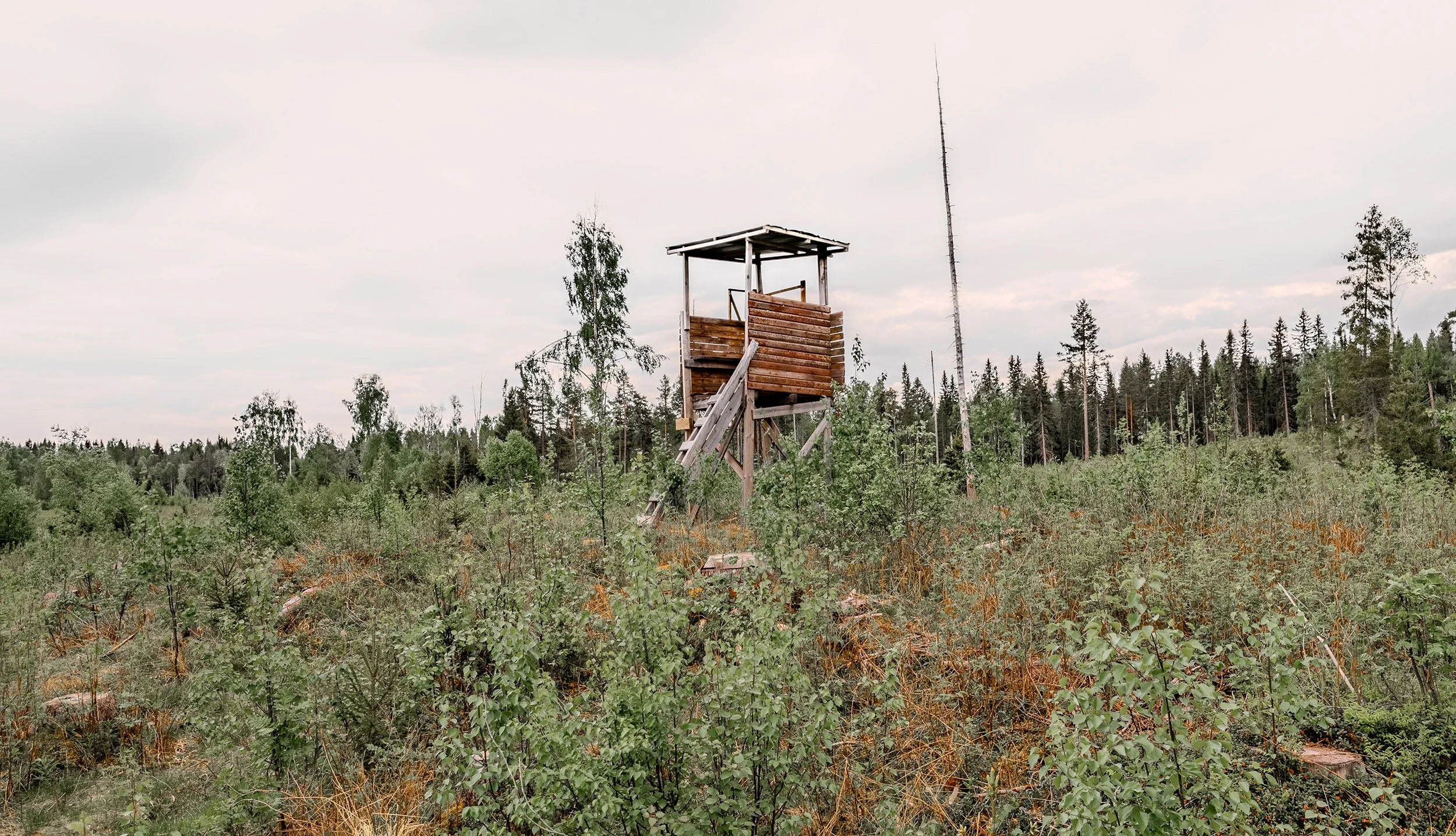
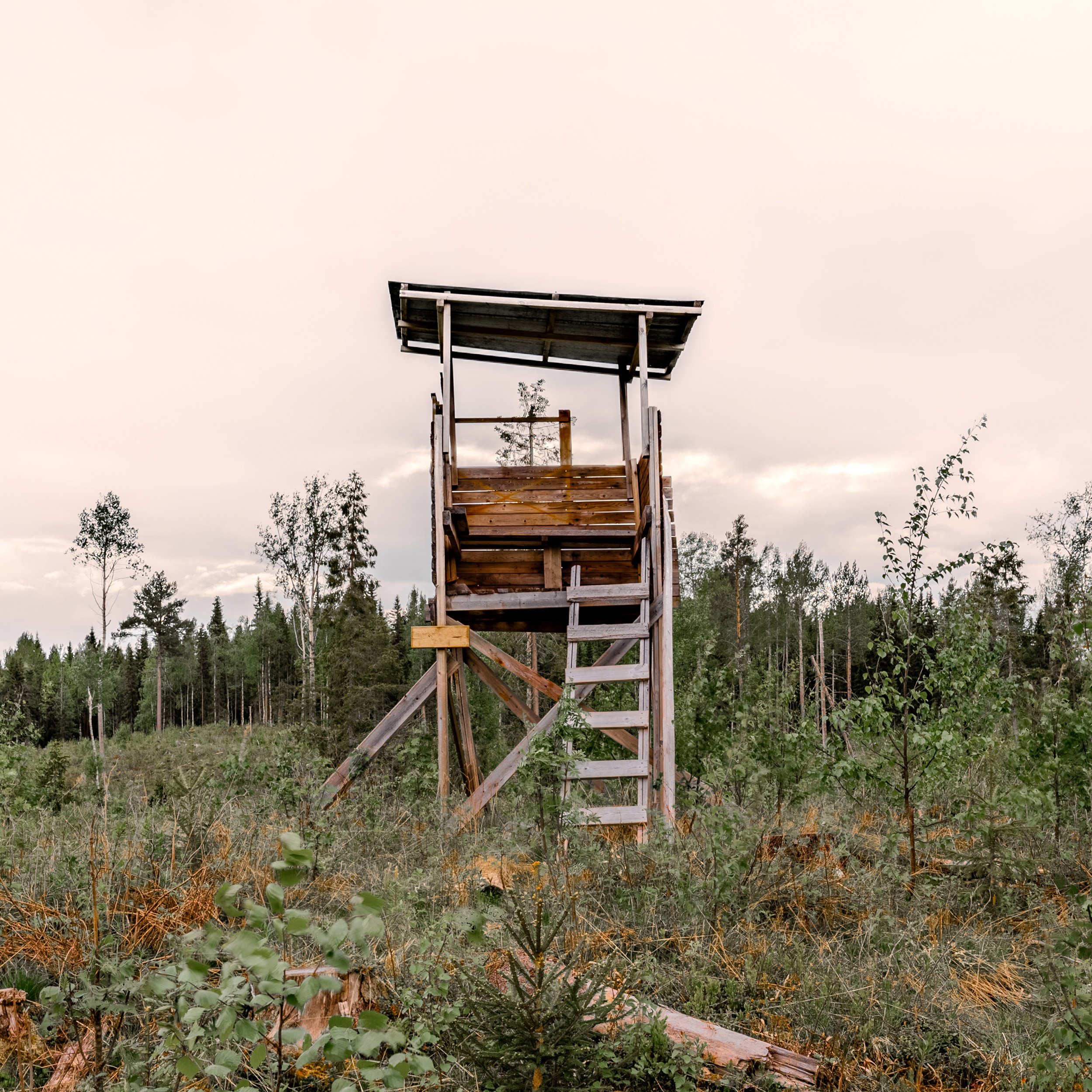
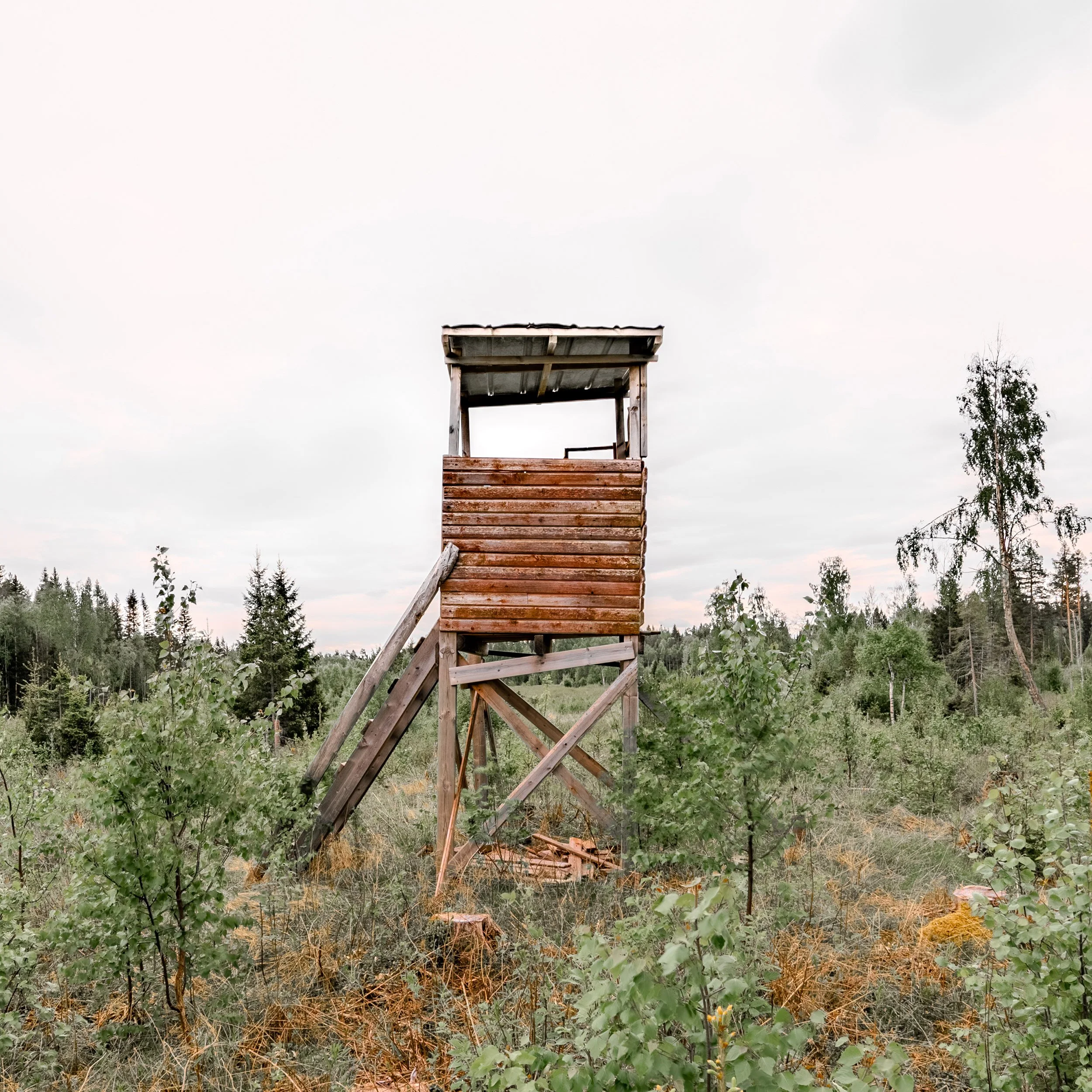
I’ve become fascinated with the hunting lookouts of Sweden’s Jämtland region. Exploring the area’s trails and gravel roads, you’re almost guaranteed to come across a few of these little forest follies. Typically handmade from leftover building materials found behind the barn, or sometimes even built from branches and small trees cut directly from the forest, the variety of designs is wonderful. Rarely straight but always creative, these lookouts are a purified form of creative problem-solving within a set of beautiful design constraints. In a world where architecture continues its dizzying upward trajectory of ever-higher costs, I’m captivated by these purposeful structures built with construction budgets that are close to zero.
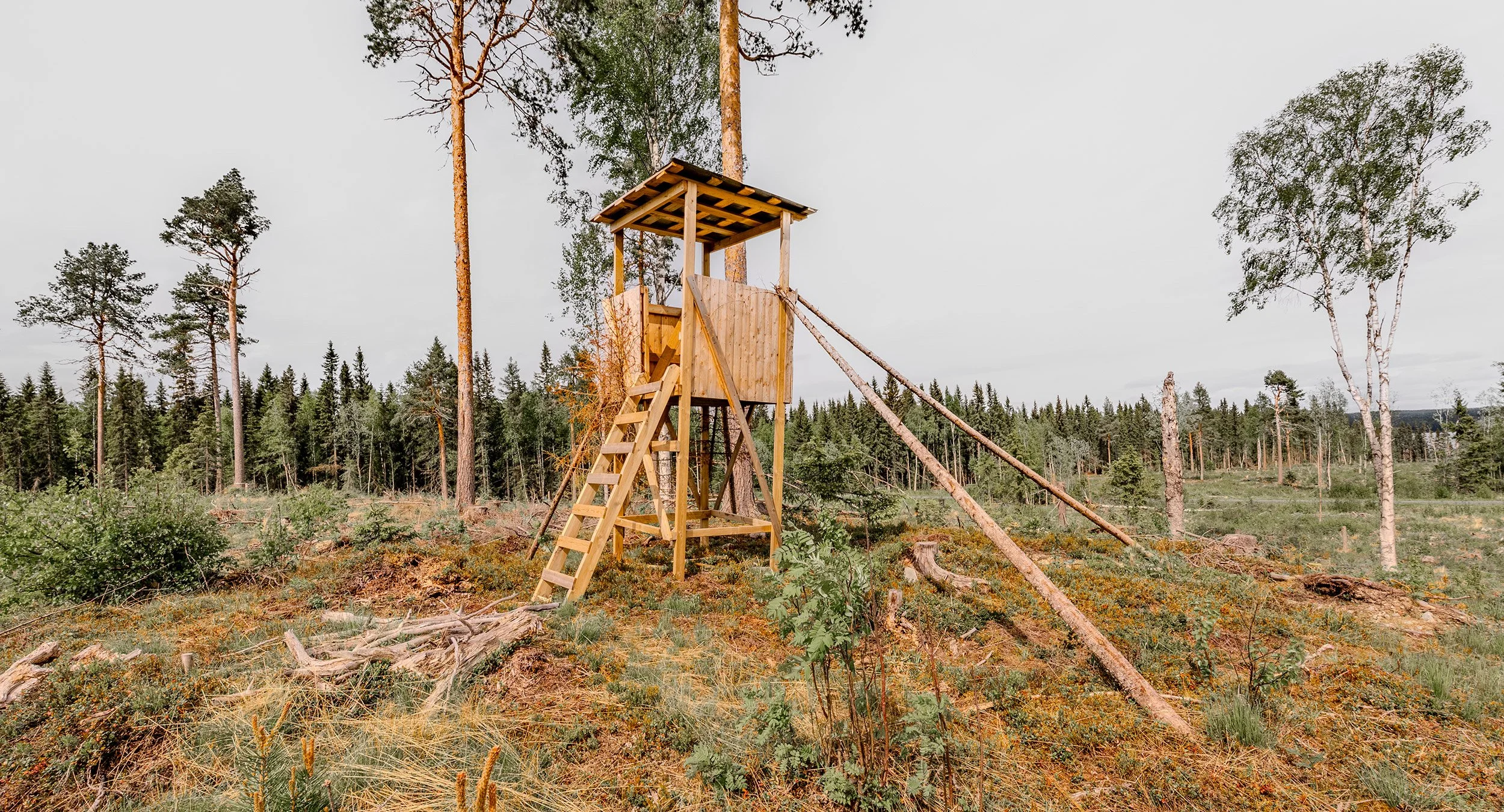
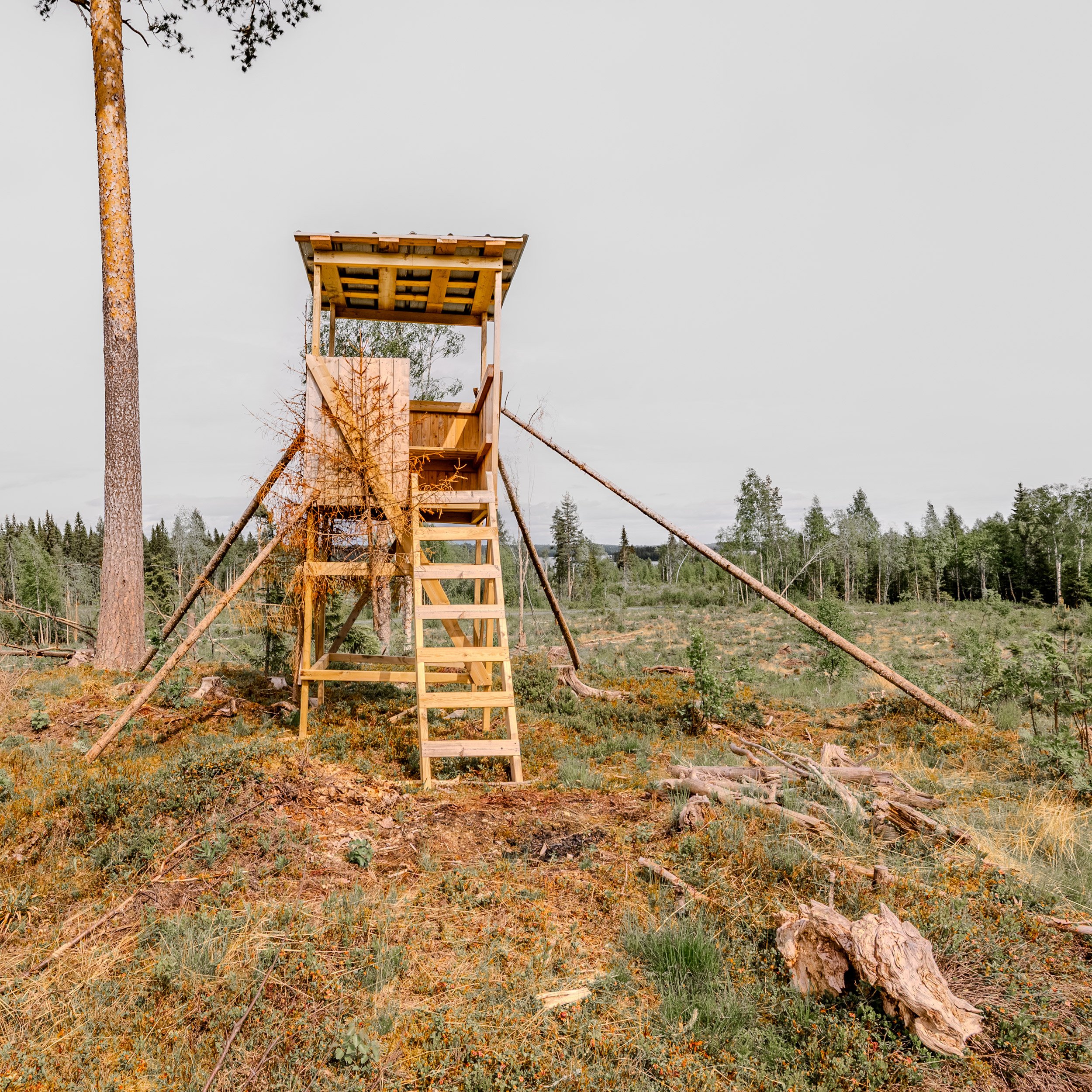
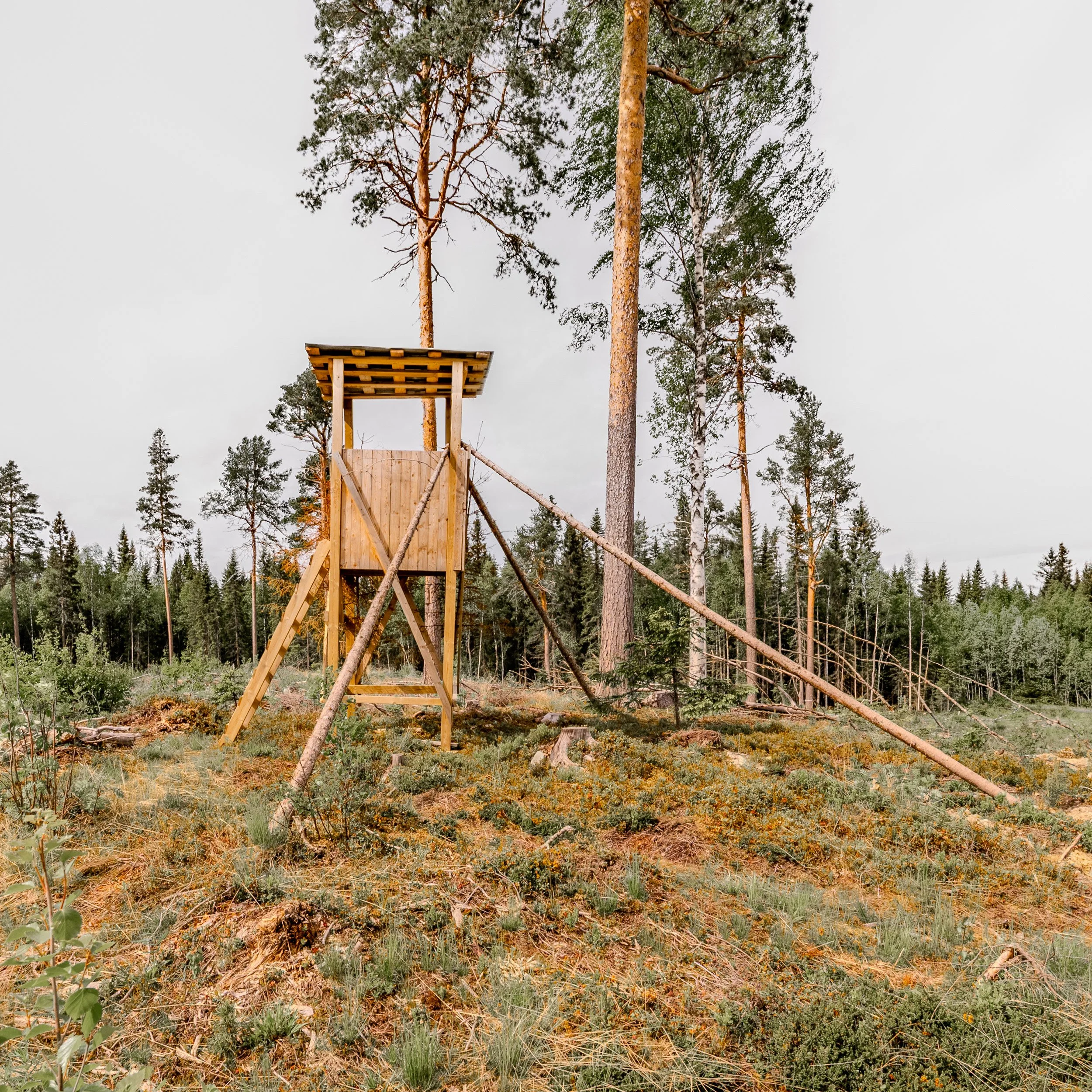
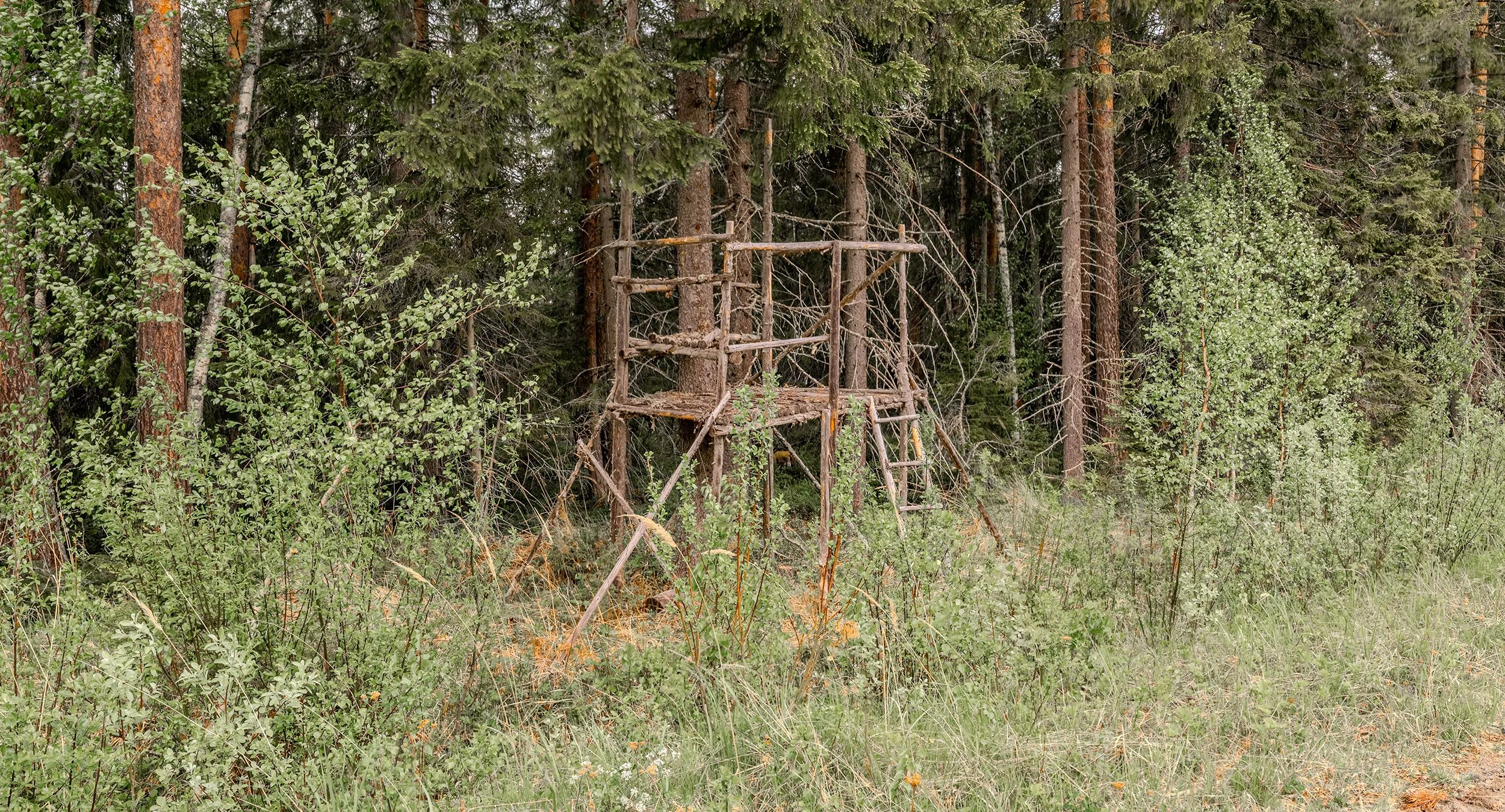
This photographic study downplays the surrounding environment, allowing the viewer to focus on the structures themselves. Changing sky conditions are minimized, while vegetation is desaturated and subdued. Each lookout is captured in its primary elevations, along with an axonometric view of its entrance.
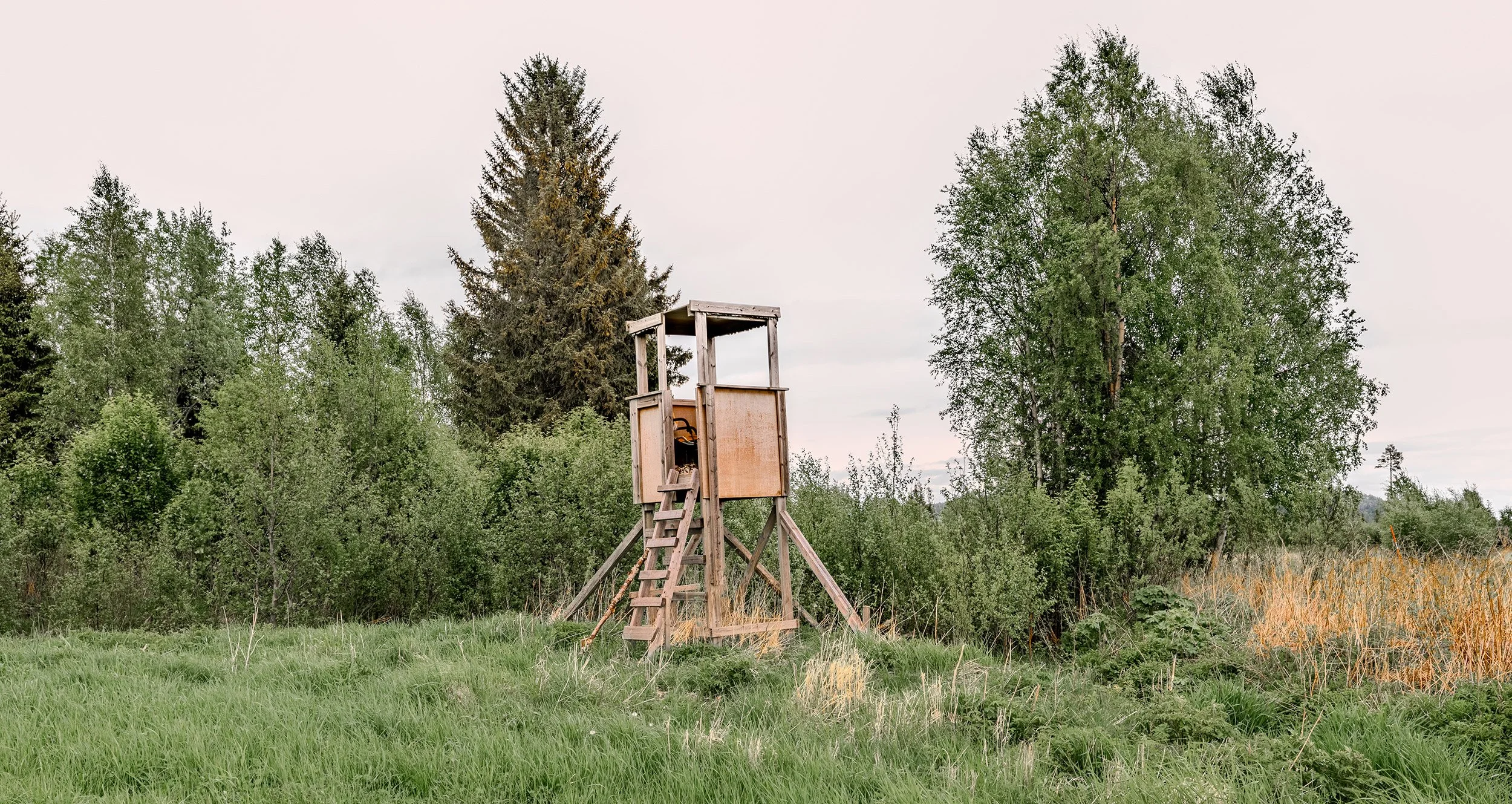
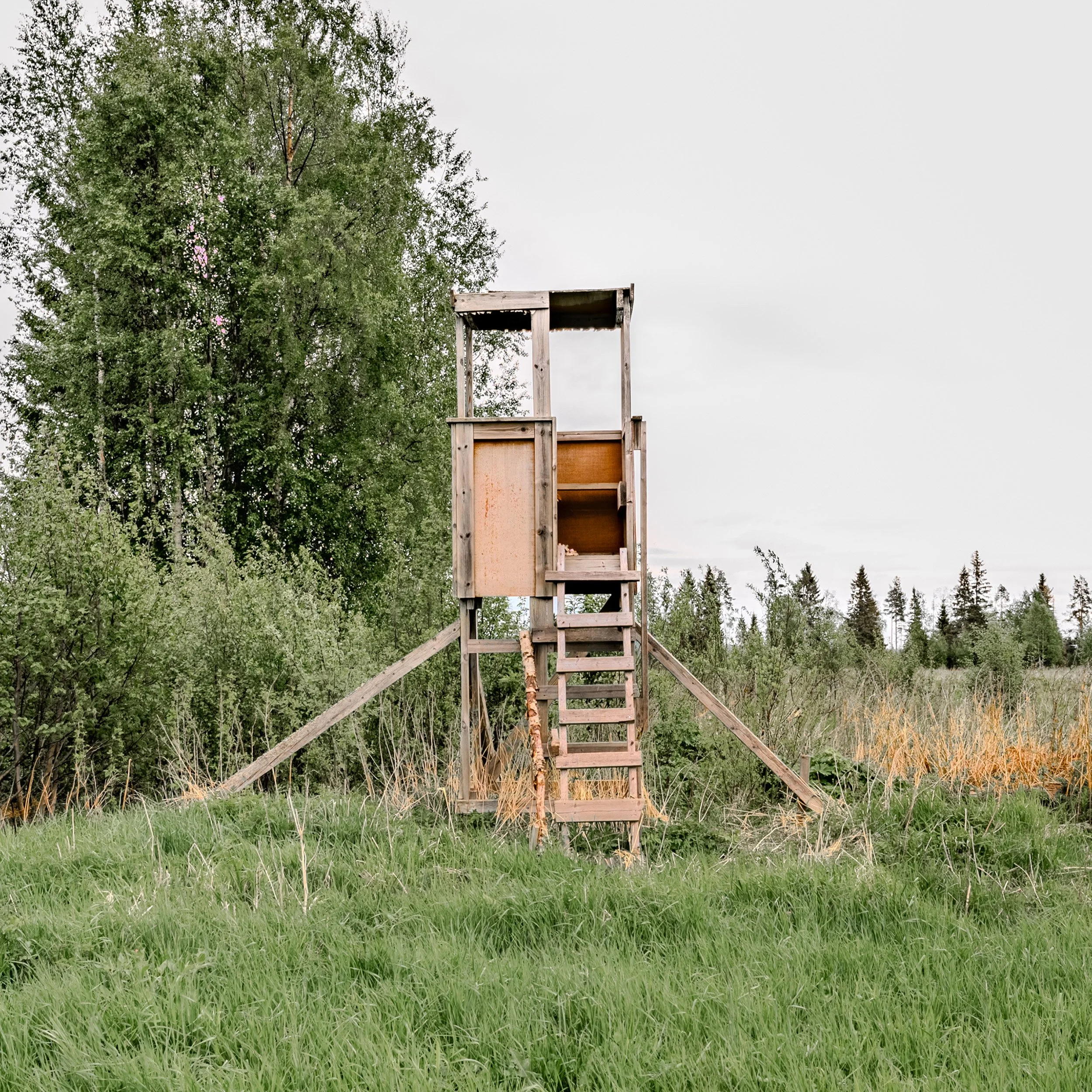
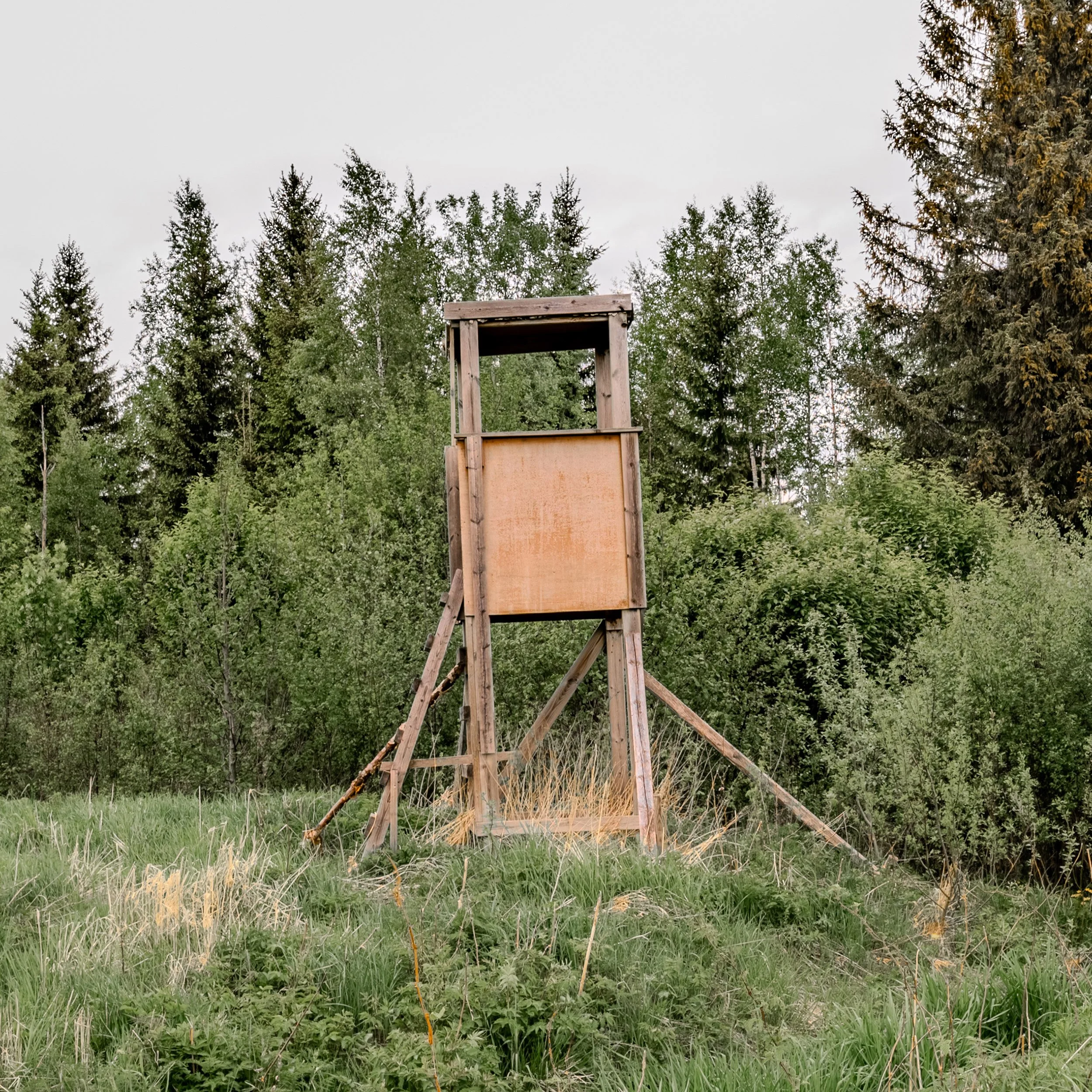
While Sweden’s Jämtland region lies near the geographic center of the country, it sits at a relatively high latitude of about 63.4 degrees north. The region is characterized by vast boreal forests, abundant wetlands and waterways, a cool climate, and large areas of low human population density. Together, these conditions make Jämtland an excellent habitat for the Eurasian moose to thrive. Its mix of mature forest for shelter and younger forest stands rich in shrubs and saplings provides both the cover and food resources that moose depend on.
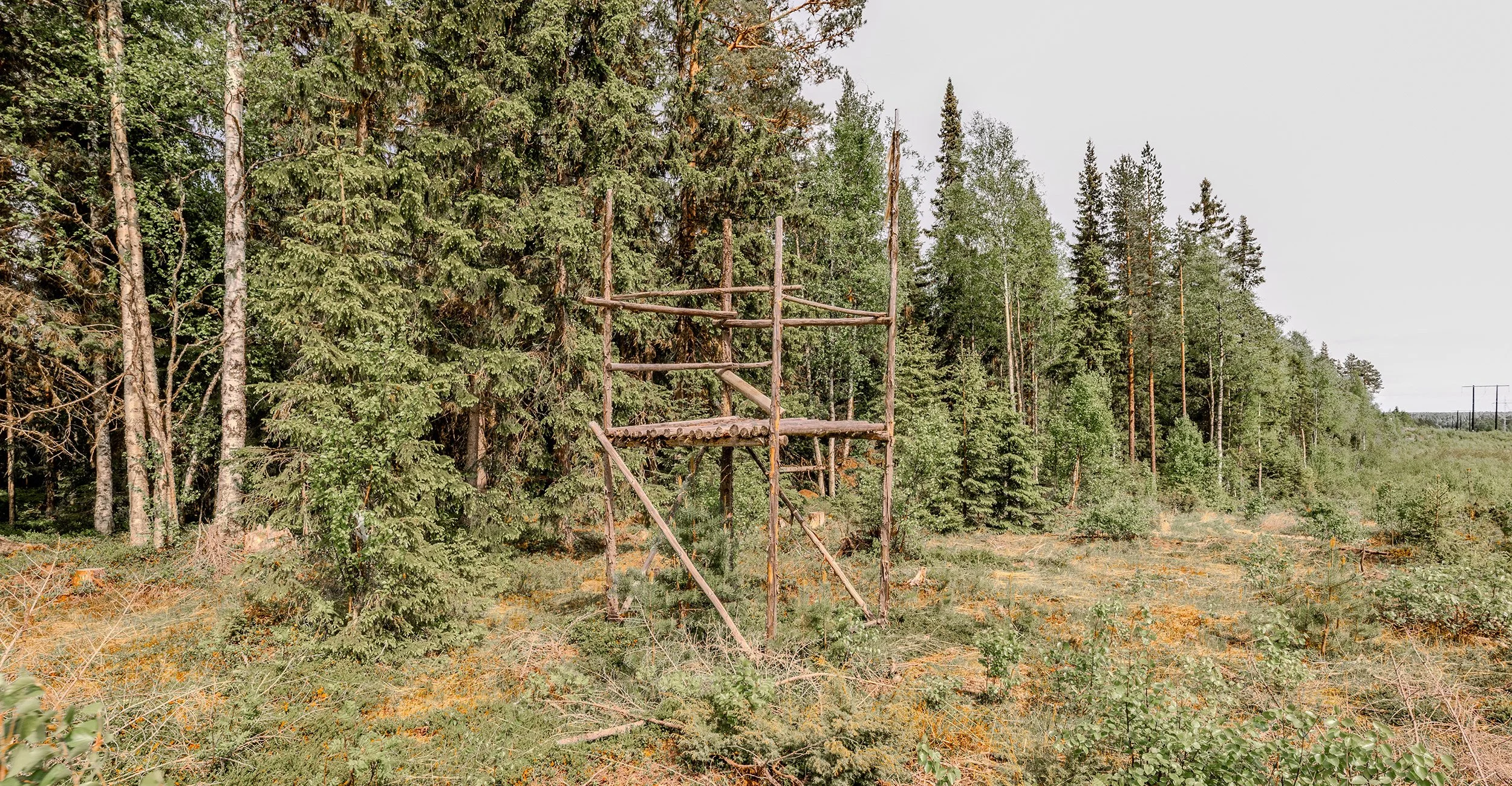
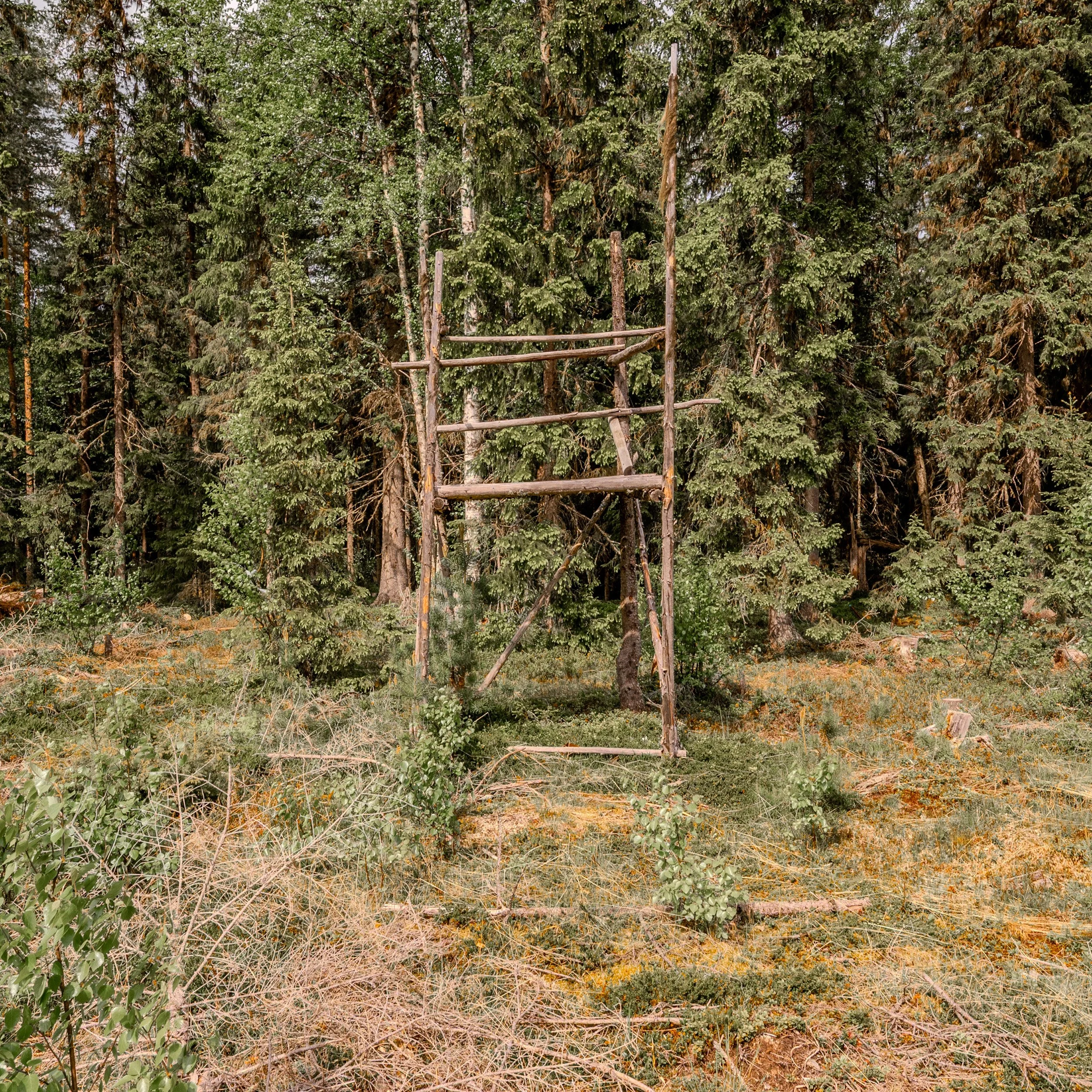
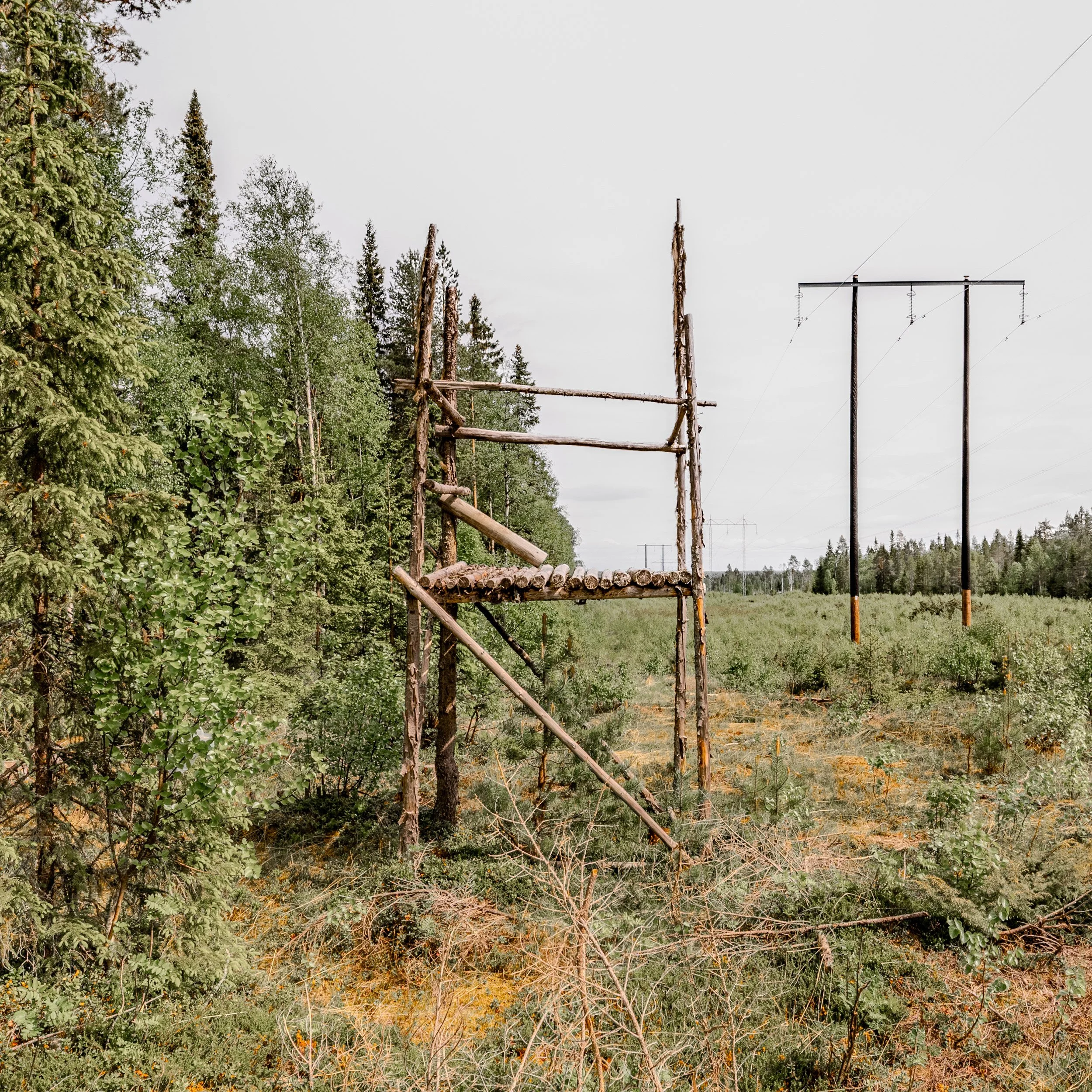
There is a compelling interdependence between material proximity and the effectiveness of camouflage—an essential strategy for concealing a hunter from an approaching moose. Lookouts constructed directly from branches and trunks of the surrounding forest do more than blend into their surroundings; they become part of the environment itself. In contrast, structures built from conventional milled lumber remain visually distinct, even when weathered. The most “natural” of these lookouts can be so fully integrated that even photographic techniques and post-processing struggle to isolate them as separate from the landscape.